In this month’s newsletter, you’ll find information about:
communicating with your baby when you’re experiencing mental health difficulties
ways to support the mental health of children who stutter
how speech therapists can help your child and family.
We also hear from proud Ngarrindjeri, Kokatha and Wirangu dad, Harley Hall, about how connection to Country and Community are important for his and his children’s wellbeing.
Emerging Minds recognises that families come in all shapes, sizes and forms.
In our resources, the term ‘parent’ encompasses biological, adoptive, foster and kinship carers as well as individuals who have chosen to take up primary or shared responsibility in raising children.
We share information about the needs and experiences of children from birth. We acknowledge that every child is unique and has different strengths, vulnerabilities and experiences that shape their health and development.
Fatherhood and Culture: Strong, proud and connected
In this podcast episode, Emerging Minds Senior Cultural Development Officer Rosie Schellen speaks with Harley Hall, a proud Ngarrindjeri, Kokatha and Wirangu father of three, about fatherhood, culture and finding strength through connection. Harley shares how creating memories, spending time on Country, and staying connected to family and Community help him keep showing up for his children, even through challenging times.
Listen to the episode now on YouTube, Apple Podcasts, Spotify and the Emerging Minds website.
Communicating with your baby when you're experiencing mental health difficulties
Parents and carers have skills, strengths and supports they use to help children thrive. But if you experience mental health difficulties it can sometimes be challenging to draw on these capabilities.
When you're experiencing mental health difficulties, you may find your child's responses also change. In infants, this might be expressed through 'fussiness' or difficulty settling. Considering how your symptoms can influence your behaviour, facial expressions and tone of voice is helpful as these are changes that your baby will notice.
When you’re feeling well, take some time to reflect on the symptoms you experience, the behaviours that your baby sees and hears, and how these might affect how your baby feels. The fact sheet Communicating with your baby when you’re experiencing mental health difficulties includes practical strategies to help you maintain a strong connection with your baby and support their wellbeing when you’re experiencing symptoms of mental illness.
Supporting the mental health of children who stutter
Held this year on 22 October, International Stuttering Awareness Day aims to reduce stigma by sharing the experiences of 70 million people internationally – including 9% of all children – who stutter. The 2026 theme, 'Shades of Stuttering', reminds us that stuttering varies from person to person and promotes open communication and acceptance. Physically, stuttering can take the form of elongations, repetitions and blocks in speech, but it can also impact mental health and wellbeing.
Across two podcast episodes, SAY:Australia guests Rich and Mitchell explore what stuttering can look like in children, how it impacts their mental health and wellbeing, and the activities and supports SAY:Australia can provide children. They also talk about helpful ways that people in their lives have supported them with stuttering over the years and share their advice to children who stutter.
Listen to parts one and two of Supporting the mental health of children who stutter now on YouTube, Apple Podcasts, Spotify and the Emerging Minds website.
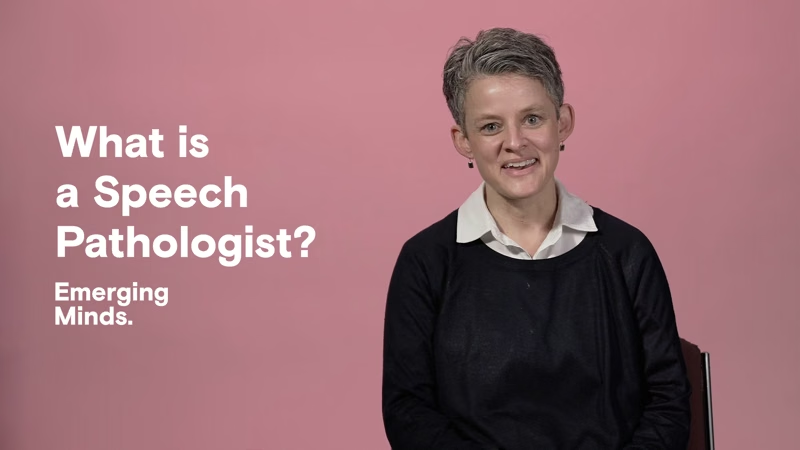
Has your child been referred to a speech pathologist and you’re wondering what to expect? To help you feel more confident at your first appointment, watch What is a speech pathologist? to learn about more about their role, and how they can support your child and family.